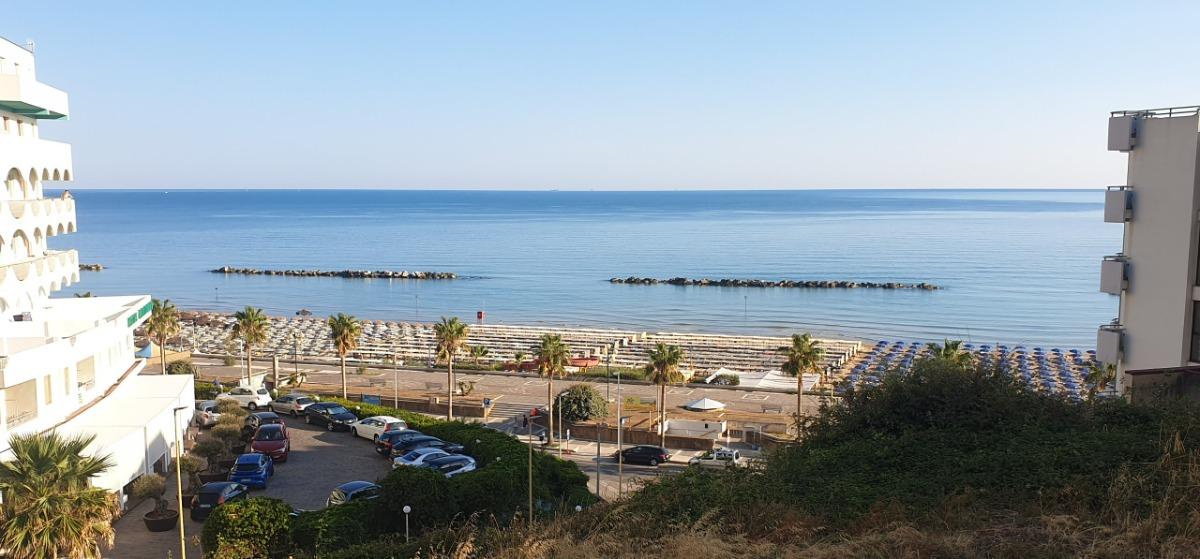
Termoli is situated on a promontory where the ancient fishing village develops, surrounded by defensive walls and delimited by an imposing cliff that plunges into the Adriatic Sea. The city's beaches with their clear sand and blue, transparent water are suggestive.
The ancient village is characterized by a maze of narrow streets, the most characteristic of which is the "rejecélle", one of the narrowest alleys in the world that can only be walked sideways.
Dominating the ancient Norman nucleus is the Swabian Castle built by King Frederick II of Swabia in the 13th century. Over time, the construction has undergone various modifications that have given it its current appearance of a tower that towers over a square pyramid base with four cylindrical towers nestled on its corners.
In Piazza Duomo stands out the Cathedral in Apulian Romanesque style where the bodies of the city's patron saints Basso and Timoteo are preserved. It is divided into 3 aisles and has a facade characterized by 7 arcades adorned with bas-reliefs.
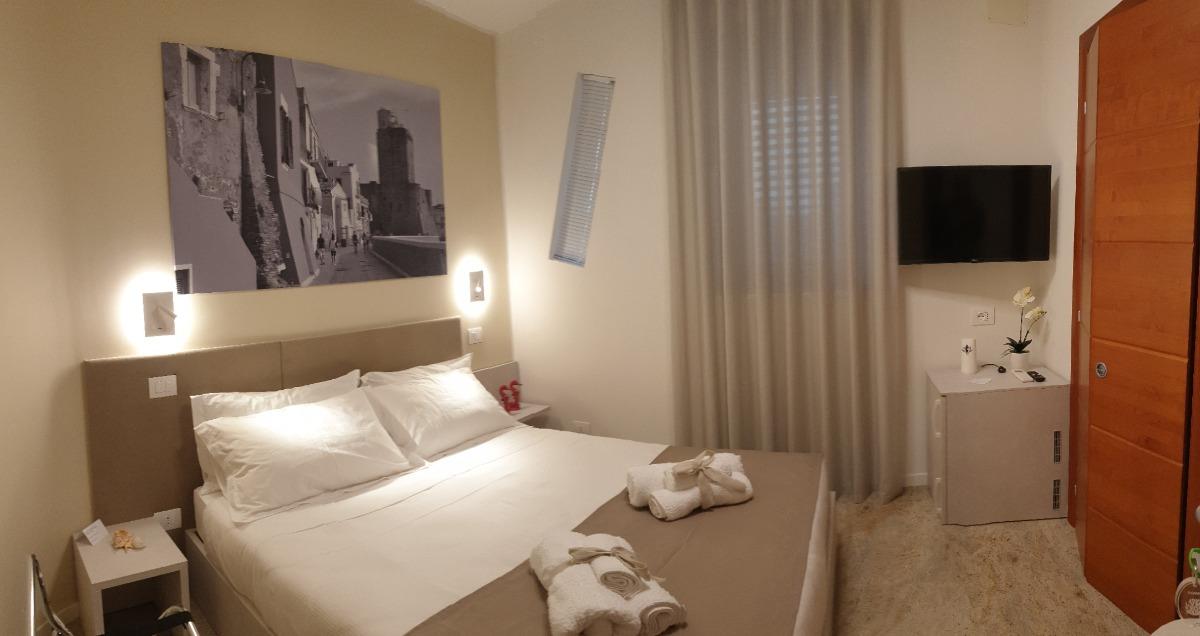
The Belvedere Tower, decorated with an arched door, is located at the entrance of the village near the port and is one of the 8 watchtowers along the coast, offering a magnificent view.
At the foot of the castle, along the promenade that runs along the ancient village, it is possible to admire the "trabucco", an ancient wooden fishing construction in the sea, still in use.
On the southern coast, there is a monument that marks the intersection between the 42nd parallel north and the 15th meridian east, which determines the time of the Central-Western European time zone, known as "Termoli time".
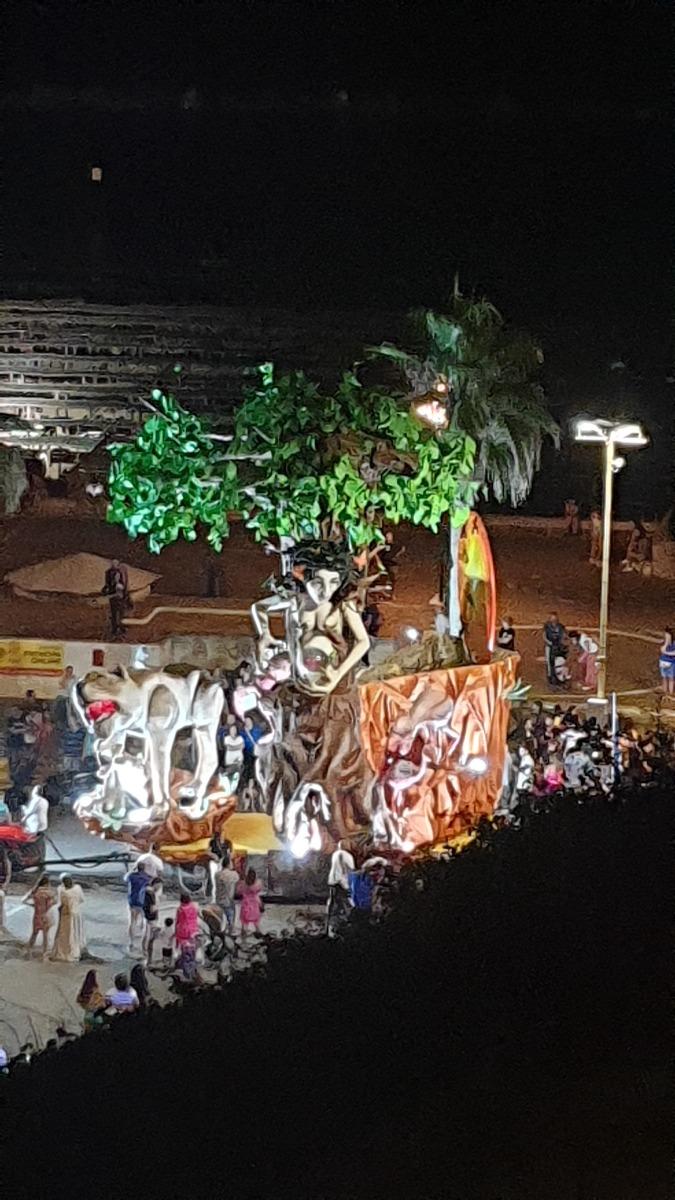
Not to be missed are the celebrations in honor of San Basso, with the suggestive sea procession aboard fishing boats on the morning of August 3rd, and the bishop's blessing of the city and fishing, followed by a procession through the streets of the village and an evening fireworks display at the port.
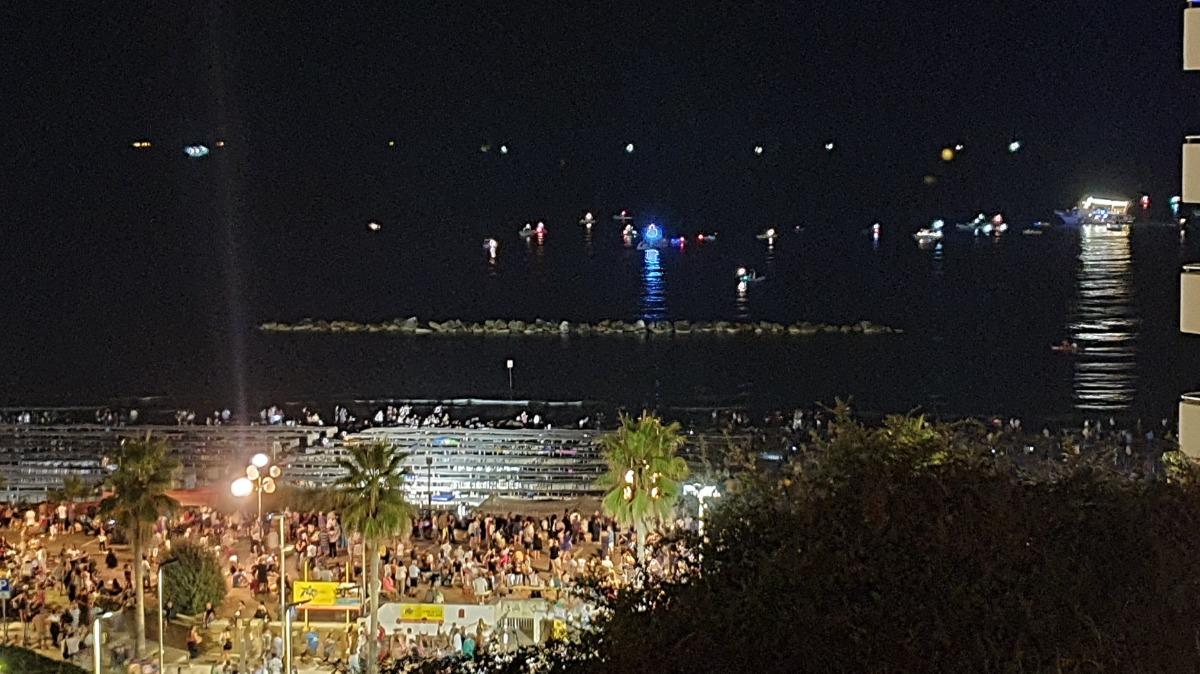
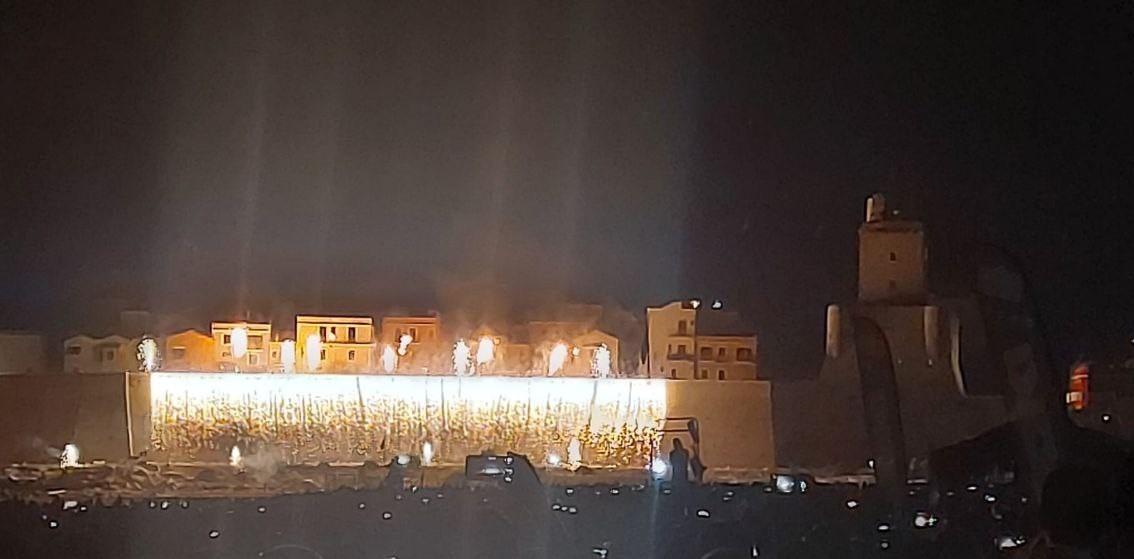
On the evening of August 15th, the city lights up with the burning of the Castle, a breathtaking fireworks display that takes place in the ancient village and at sea, representing the historical reenactment of the assault by the Ottoman Turks in 1566. It can also be admired from the beaches, where thousands of spectators gather every year.



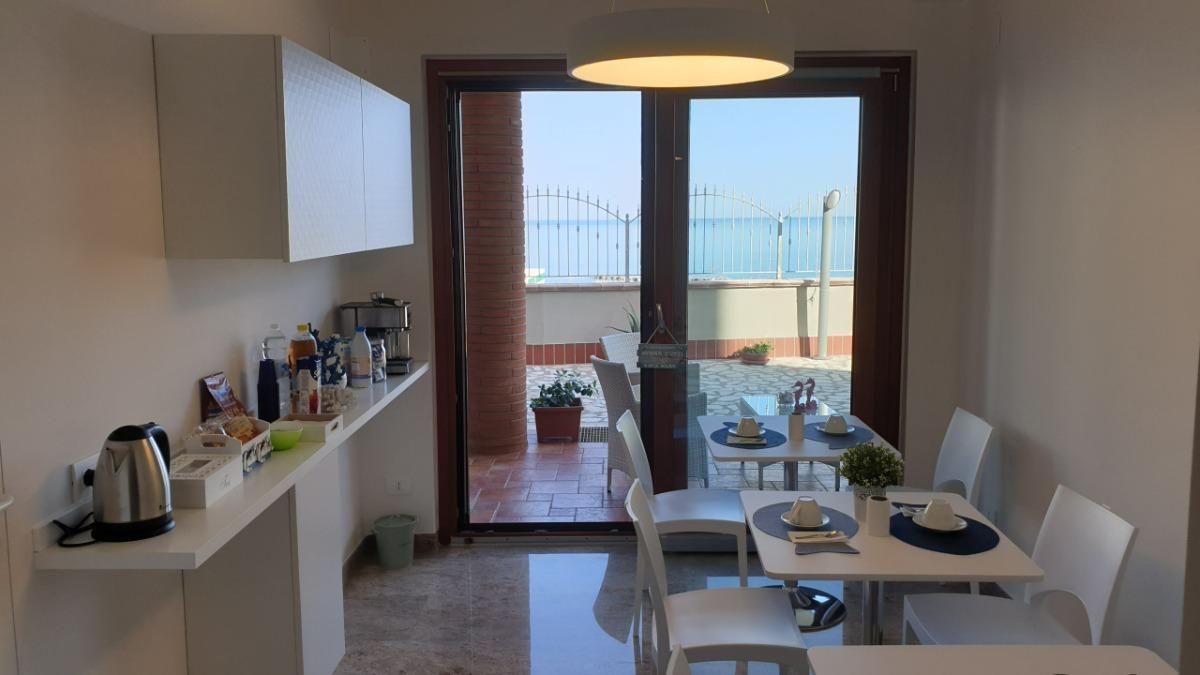
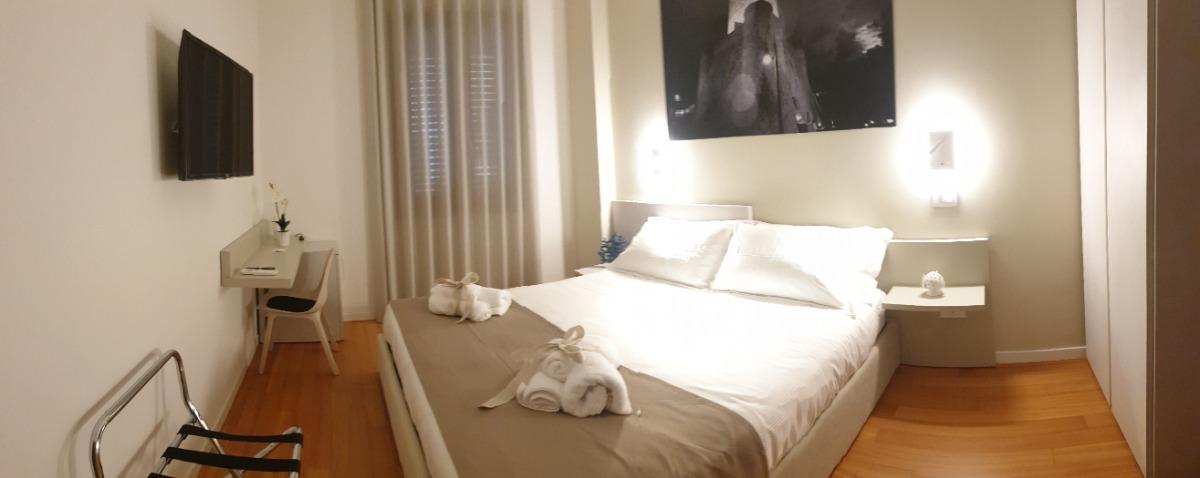
 Numero di camere: 1