

Easter 2026 in Taranto: a journalistic, SEO-friendly guide to the Rites, timings and where to stay

Holy Week in Taranto is one of Southern Italy’s most distinctive religious events: night processions, funeral marches, confraternities, and a city that shifts pace for a few days. People searching for “Taranto Holy Week”, “Taranto Mysteries procession”, “Procession of the Addolorata Taranto” or “Easter 2026 in Taranto” usually want two things: when the key rites take place and how to plan a comfortable base to experience them without unnecessary stress.
Easter 2026 dates and the key days
In 2026, Easter Sunday falls on 5 April, with Easter Monday on 6 April. The most important days to attend the rites in Taranto are:
-
Maundy Thursday: 2 April 2026
-
Good Friday: 3 April 2026
-
Holy Saturday: 4 April 2026
-
Easter Sunday: 5 April 2026
Taranto Holy Week: the 3 main events
1) The Addolorata Procession (or Pilgrimage)
This is the rite that opens the “long night”: it starts at midnight between Maundy Thursday and Good Friday, leaving from San Domenico Maggiore Church in the Old Town. Traditionally, it lasts many hours (often described as around 14–15 hours).
2) The “Mysteries” Procession of Taranto
This is the procession most visitors aim to see at least once. The departure is generally indicated at 5:00 pm on Good Friday, from the Church of Carmine, and it continues through the night into Saturday morning.
3) The Return (Holy Saturday)
The “closing act” is the return of the statues to Carmine, typically at dawn or early morning on Holy Saturday, a moment that draws large crowds even from those who come only for this final phase.
Useful note for planning: routes and exact timings can vary year by year, so it’s always best to check the latest official updates close to your visit.
The symbols that make Taranto’s Holy Week instantly recognisable
The “nazzicamento” (also known as “nazzecata”)
One of the most quoted elements is the confreres’ slow, rocking pace—called nazzicamento, also referred to as nazzecata in local dialect.
The “Perdoni” and the “Sepolcri”
Before the major processions, the article recalls the Perdoni (pairs of confreres) who, from 3:00 pm on Maundy Thursday, leave at intervals on a pilgrimage to the Altars of Repose (the “sepolcri”), across the New Town and the Old Town.
The “gara” on Palm Sunday
Less known to non-locals is the gara held on Palm Sunday: an internal auction within the confraternities to assign roles and symbols for the processions, with proceeds directed to charitable initiatives.
Easter in Taranto—also at the table: what to taste
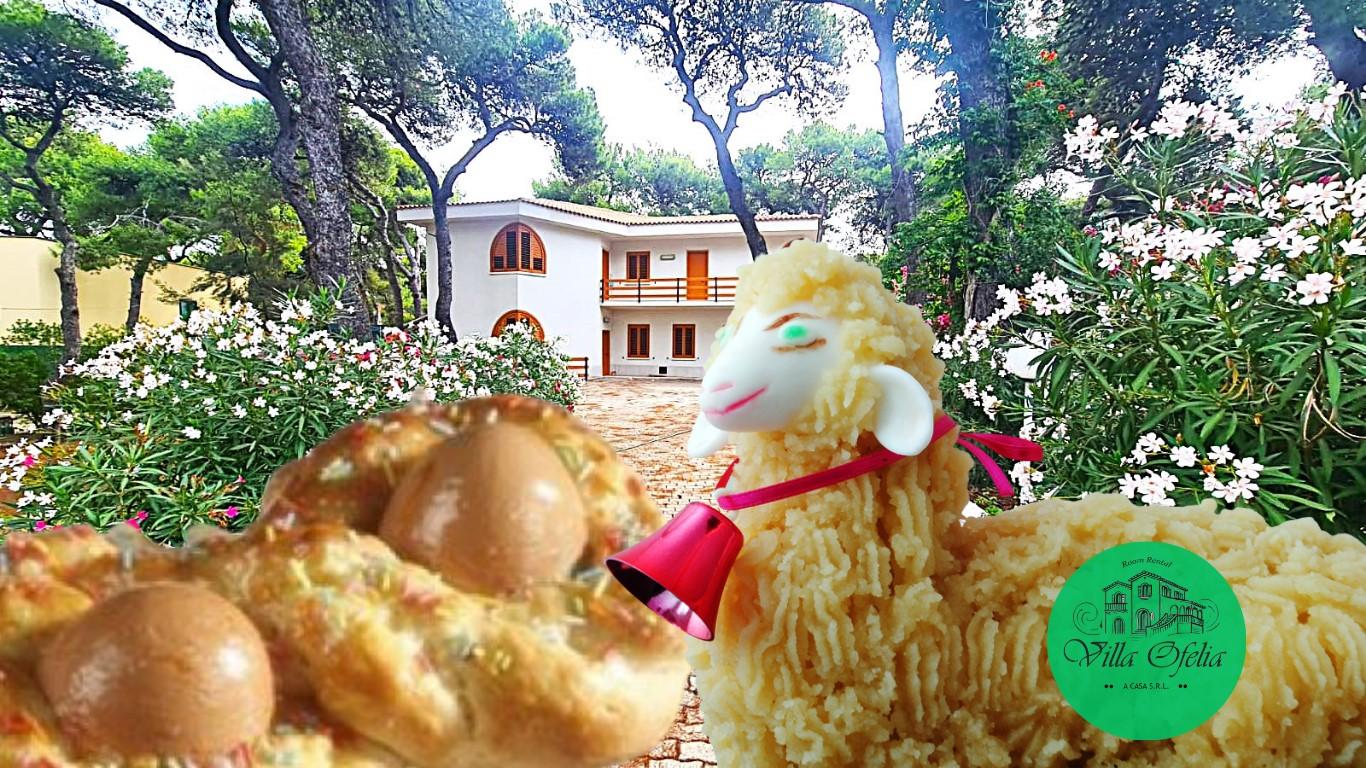
Alongside the rites, the article mentions local Easter sweets such as scarcelle and marzipan sheep (pecore di pasta reale), common in homes and pastry shops during the season.
Where to stay during Holy Week: why your base changes the experience
During the rites, practical organisation matters: long hours outside, night-time attendance, waiting, crowds, and moving between viewing points. The suggestion is to use Villa Ofelia as a base—close enough to experience Taranto’s Holy Week, and then return to a quieter setting in Chiatona, between pine forest and sea, with accommodation in the Giglio and Girasole apartments.
Practical tips that genuinely help
-
Arrive early at the most popular spots: waiting is part of the experience.
-
Dress in layers: temperatures shift between evening, night, and early morning.
-
Keep a respectful attitude: in Taranto, this is lived tradition, not a “show”.
-
Plan your energy: choose your base first, then build your rite itinerary around it.
FAQ
When is Easter 2026? Sunday, 5 April 2026 (Easter Monday 6 April 2026).
When is the Taranto “Mysteries” procession? Commonly indicated as Good Friday (3 April 2026) at 5:00 pm, continuing overnight into Saturday morning.
When does the Addolorata procession start? At midnight between Maundy Thursday and Good Friday, from San Domenico Maggiore.