

Crotone between History and Legend: A Guide to the City of Milo and Magna Graecia

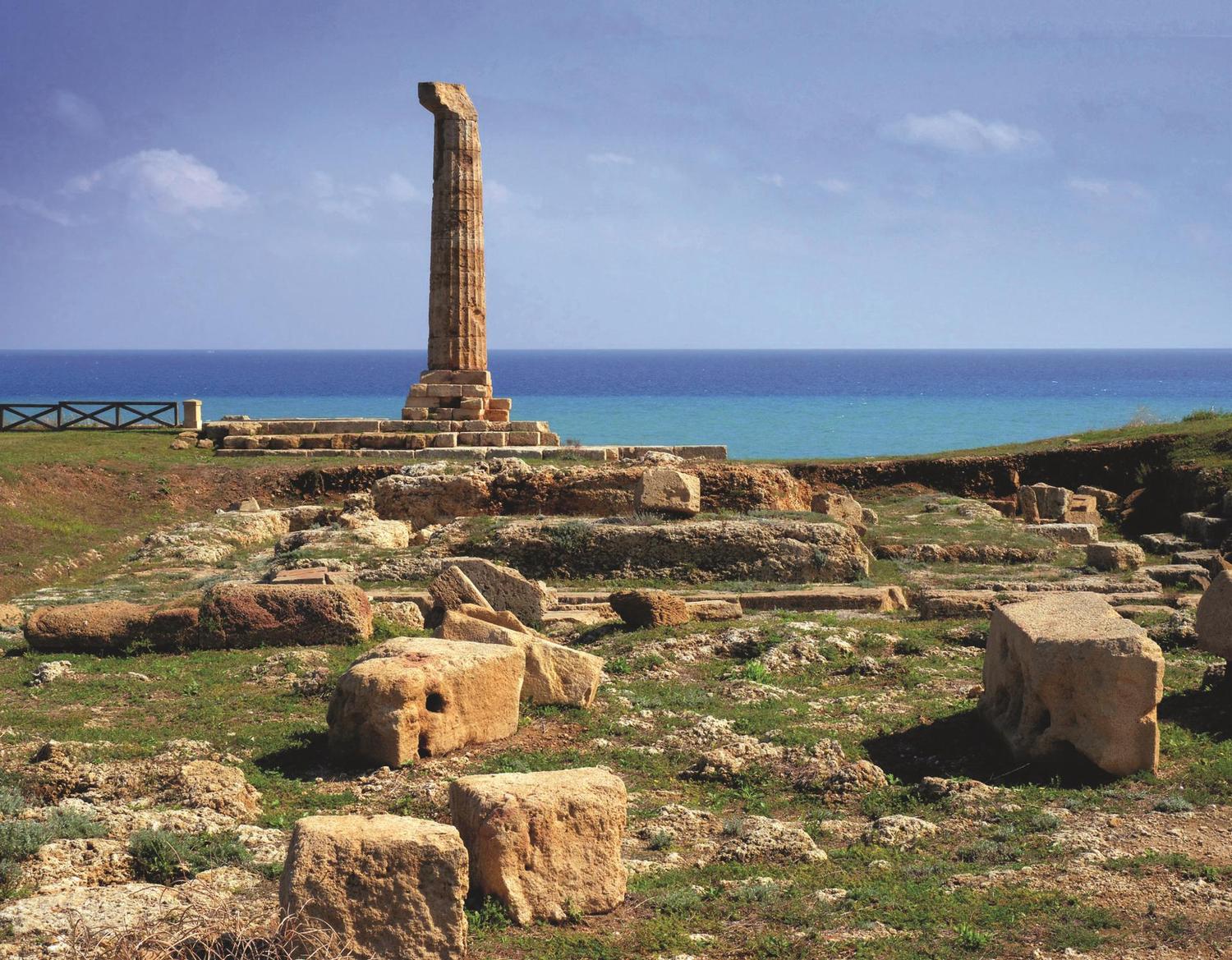
The history of Crotone isn't just found in books: it’s breathed in the salty air, felt in the ancient stones, and fascinates anyone seeking culture and timeless beauty. Founded in 710 BC, this city was not merely a settlement, but one of the most powerful capitals of Magna Graecia.
Giants of thought like Pythagoras, who chose Crotone to found his famous school, and legendary champions like Milo, the strongest athlete of antiquity, once walked here. Today, every corner of the historic center tells of centuries of tradition: from precious archaeological remains to the imposing fortifications that have silently witnessed history unfold.
What to see in Crotone: A dive into the past
The Castle of Charles V: This fortress dominates the city with its majesty. Climbing its ramparts offers breathtaking views of the Ionian Sea, a blue embrace connecting past and present.
The Archaeological Museum and Capo Colonna: It houses the precious Diadem of Hera from the famous Temple of Hera Lacinia. Nearby, on the promontory, stands the last Column of Capo Colonna, an eternal symbol of Magna Graecia overlooking the Ionian Sea.
The Historic Center: Getting lost in the narrow streets, artisan workshops, and paved squares is a sensory experience. You can almost hear the echo of ancient philosophers' footsteps and the whisper of legends.
Where to stay in Crotone:
L’Oasi del Poeta is the perfect choice for experiencing the city at a slow pace. Our comfortable rooms and warm welcome are designed to make you feel right at home.